
Exploring the Unique Challenges of Product Photography in Venice’s Historic Settings
MB
Introduction to Product Photography in Venice
Venice, with its labyrinth of canals and historical architecture, offers a mesmerizing backdrop for any photography project. However, capturing products in this enchanting city presents unique challenges. The interplay of light, water, and historic structures requires a thoughtful approach to ensure that products are showcased effectively.
Product photography in Venice isn't just about placing an item against a pretty backdrop; it involves understanding how the environment interacts with the subject. The city’s distinctive charm can both enhance and overshadow the products if not handled correctly.
The Challenge of Natural Lighting
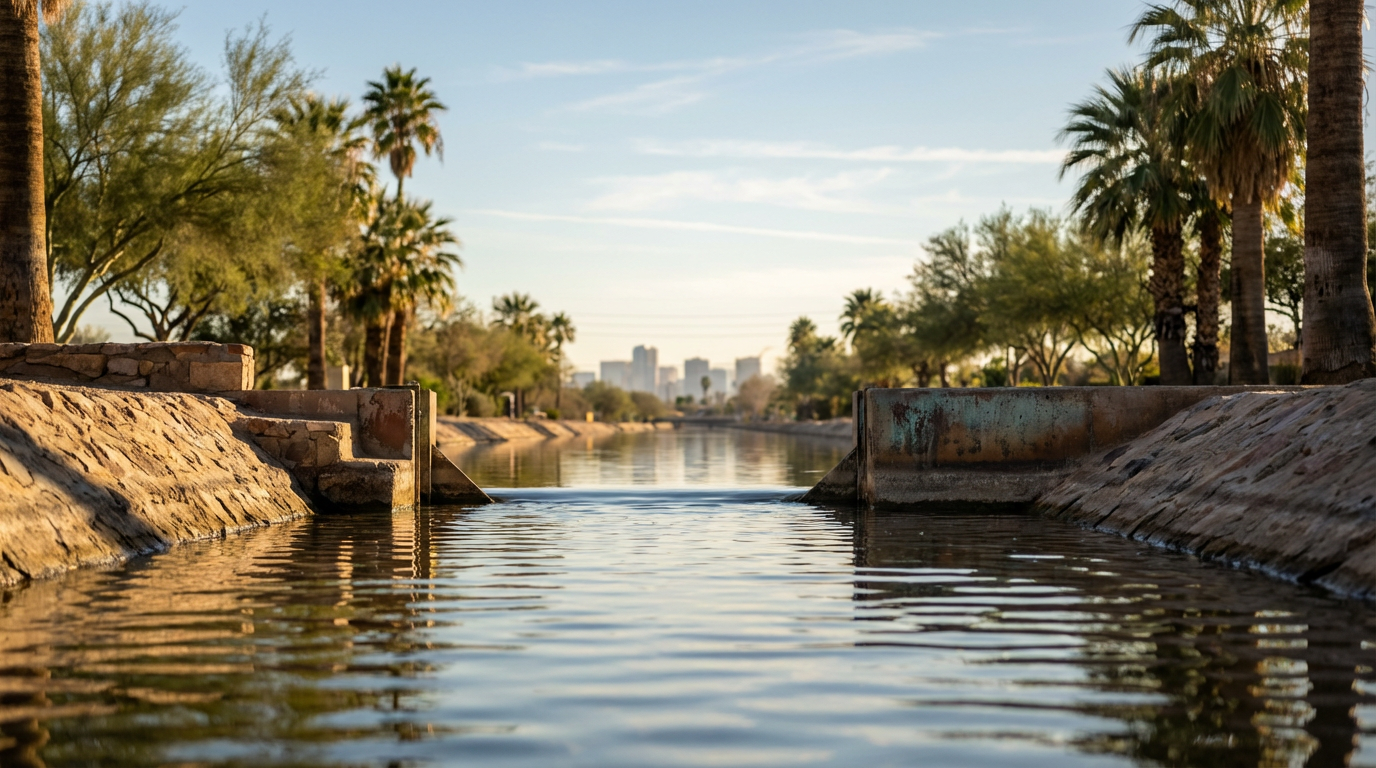
Venice is renowned for its unique lighting conditions, where sunlight reflects off the water, casting shimmering patterns on nearby structures. This can be both a blessing and a curse for photographers. The reflective surfaces can lead to overexposed images if not carefully managed.
To tackle this, photographers often rely on early morning or late afternoon shoots, leveraging the softer, more diffused light. It’s also essential to use reflectors and diffusers to control the natural light and highlight the product’s features without unwanted glare.
Adapting to Weather Conditions
Venice’s weather can be unpredictable, with sudden changes affecting outdoor shoots. Rain can add a romantic touch, but it also poses risks for delicate equipment. Photographers need to be prepared with protective gear and flexible schedules to adapt to these conditions.
Leveraging the Historic Architecture
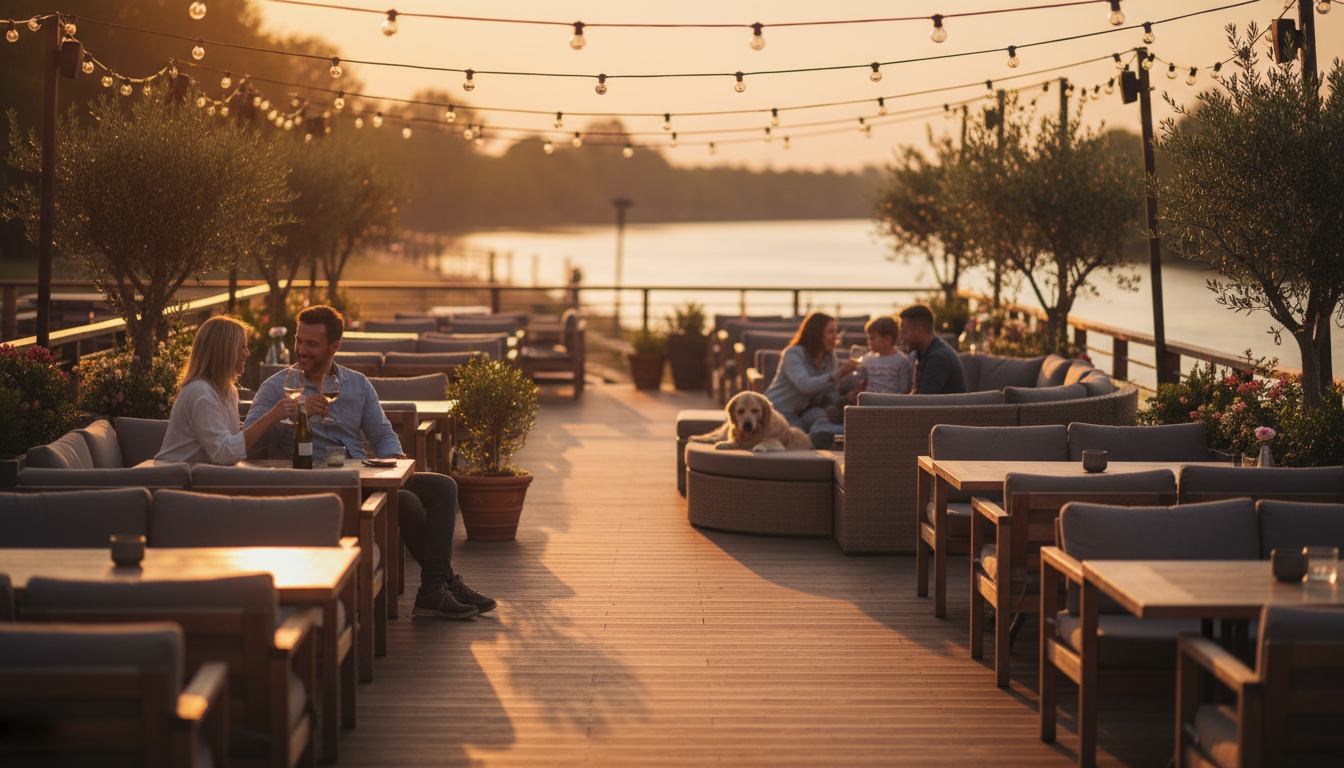
The city’s historic architecture provides a stunning backdrop that can elevate product photography to an art form. However, integrating these elements requires a deep understanding of composition and perspective. The key is to ensure that the product remains the focal point while the background complements rather than distracts.
Using architectural elements like arches, bridges, and cobblestone streets can add depth and context to a photograph. It’s crucial to balance these elements, ensuring that they enhance the product’s narrative.
Respecting Preservation Regulations
Venice’s status as a UNESCO World Heritage site means there are strict regulations in place to preserve its historical integrity. Photographers must be mindful of these rules, which often limit where and how equipment can be set up.
Transportation and Accessibility Issues
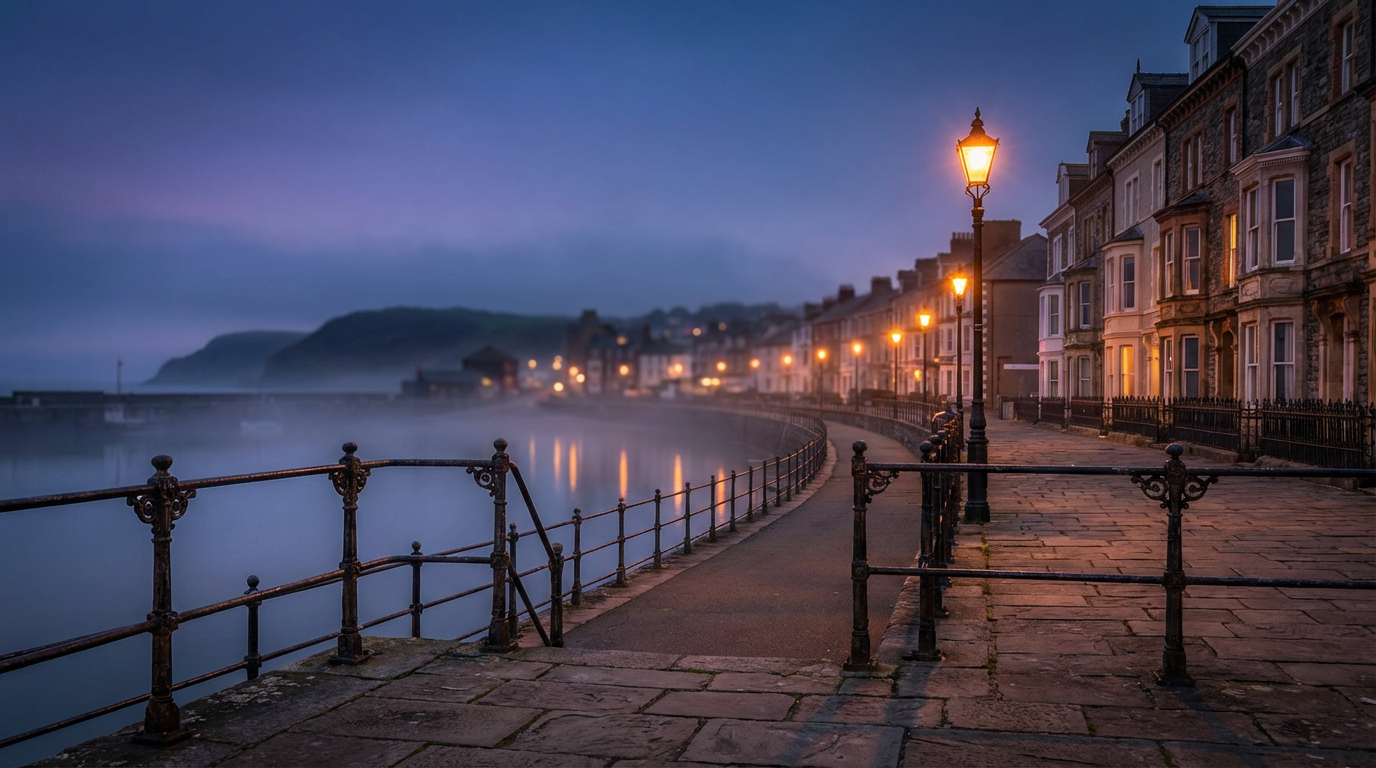
Venice’s unique transportation system, relying heavily on boats, presents logistical challenges. Transporting equipment across canals and narrow alleyways requires careful planning. Photographers often need to work with local guides to navigate the city efficiently.
Additionally, some locations may be difficult to access due to crowds or restricted areas, further complicating the logistics of a shoot. It’s essential to plan ahead, considering these factors to ensure a smooth workflow.
Conclusion: Capturing the Essence of Venice
Despite its challenges, Venice offers an unparalleled opportunity to create stunning product photography that captures the essence of both the city and the subject. Success lies in embracing the environment, using it to tell a compelling story that resonates with viewers.
With careful planning and a creative approach, photographers can transform these challenges into opportunities, producing images that are as unforgettable as Venice itself.