
The Importance of Location in Commercial Photography: Spotlight on Venice
MB
Understanding the Role of Location in Commercial Photography
In the world of commercial photography, location plays a pivotal role in setting the mood and enhancing the visual storytelling of a brand. Choosing the right location can transform an ordinary shoot into an extraordinary one, capturing the essence of the product or service being showcased. Among the myriad of stunning locales worldwide, Venice stands out as a top choice for photographers seeking a unique and captivating backdrop.
Venice, with its intricate canals and historic architecture, offers a blend of old-world charm and modern allure. The city’s rich history and cultural significance make it an ideal location for brands looking to evoke elegance and sophistication. But what exactly makes Venice such a desirable spot for commercial photography?

The Unique Charm of Venice
Venice is renowned for its picturesque landscapes and iconic structures. From the grandeur of St. Mark's Basilica to the romantic gondolas gliding through the canals, Venice offers a myriad of stunning settings for photographers to explore. The city's natural lighting, especially during the golden hours, creates an ethereal atmosphere that enhances the beauty of any subject.
Moreover, Venice’s historic architecture provides a timeless backdrop that seamlessly blends with modern fashion, luxury goods, and fine dining experiences. The juxtaposition of the old and the new can create powerful visual narratives that resonate with diverse audiences.
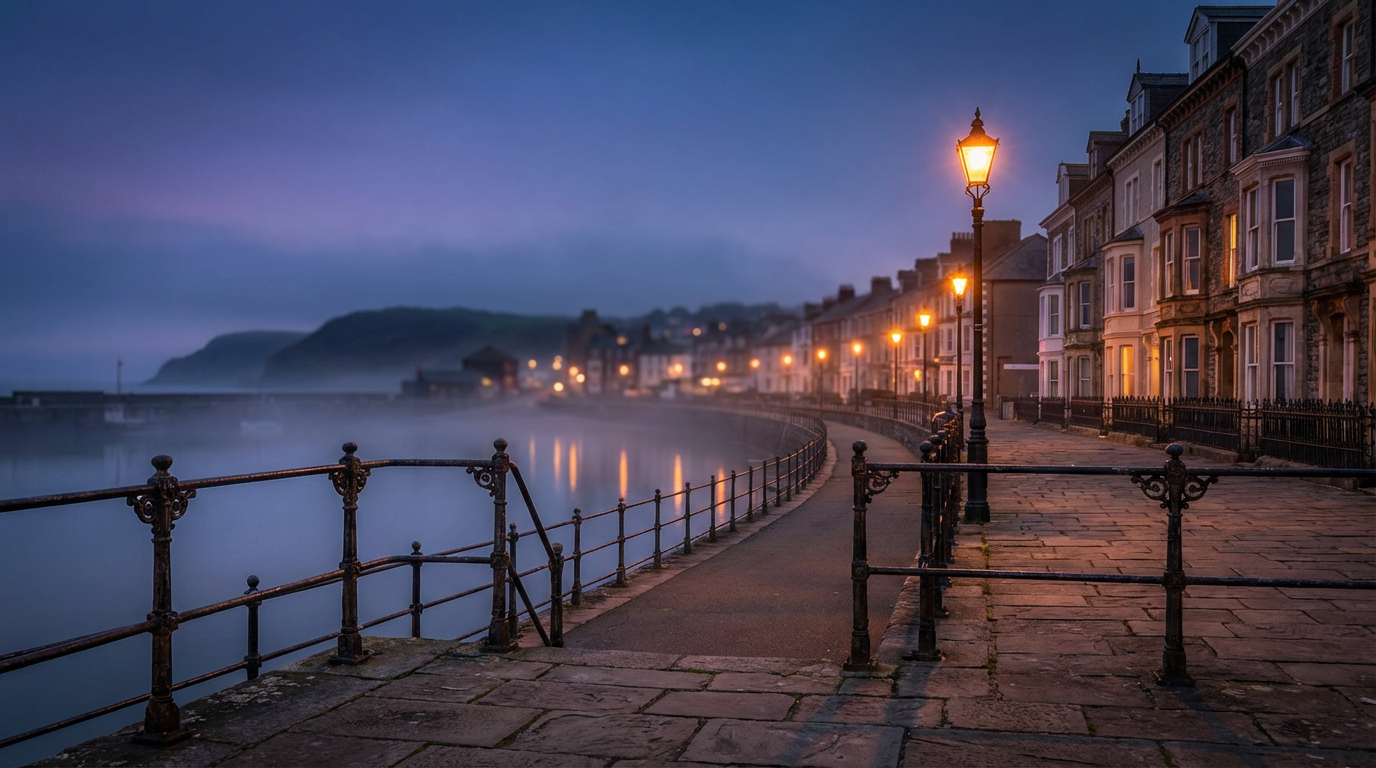
Accessibility and Convenience
While Venice’s unique geography might seem challenging at first, it actually offers several conveniences for commercial shoots. The city is compact and walkable, allowing photographers to move between locations with ease. Additionally, the abundance of local vendors and services tailored to the needs of creative professionals ensures that any logistical challenges are easily overcome.
Whether you're capturing the essence of a brand in a bustling piazza or highlighting a product against the serene backdrop of a hidden canal, Venice provides the flexibility and variety needed for successful commercial photography.
Enhancing Brand Stories with Venice’s Aesthetic
Venice's aesthetic is not just visually appealing; it also adds depth to brand stories. The city’s unique blend of art, culture, and history allows brands to create narratives that are both engaging and memorable. By incorporating elements of Venetian life, photographers can craft compelling images that speak to the brand’s identity and values.
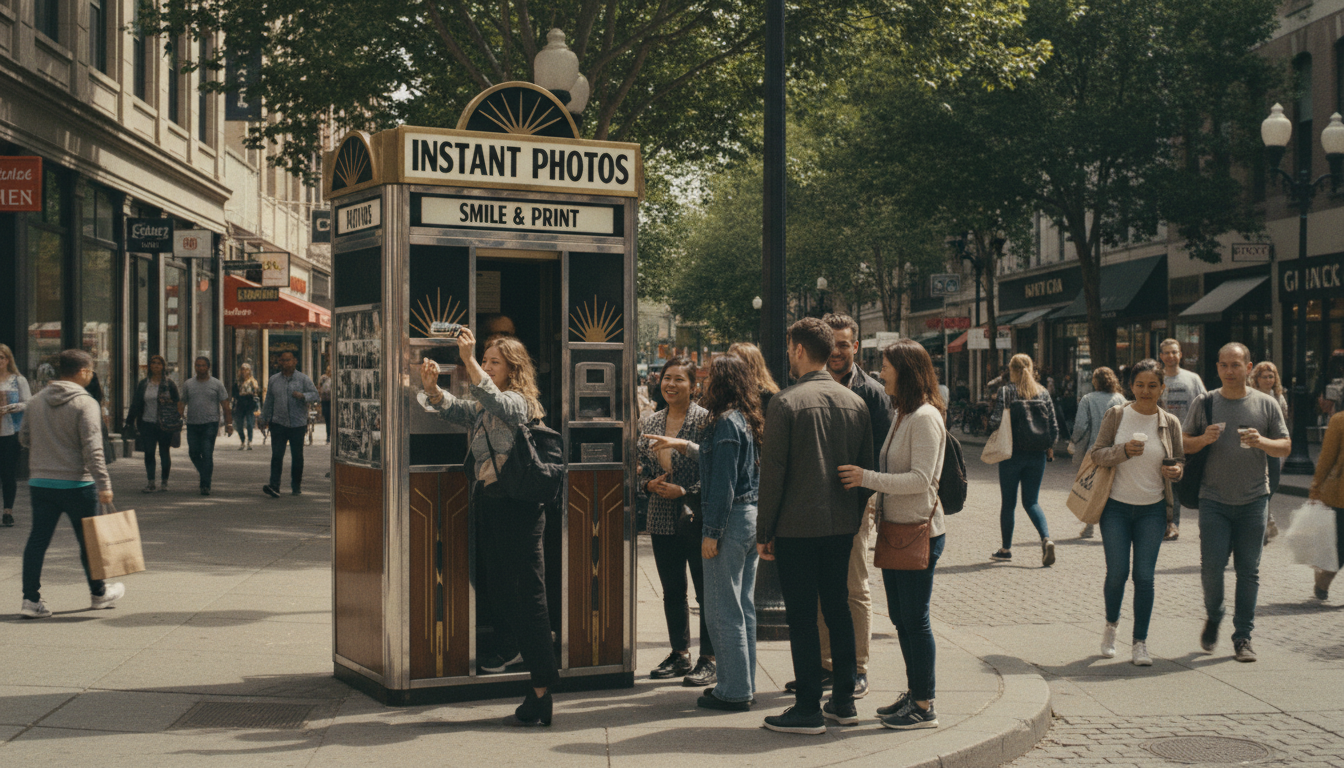
Moreover, Venice’s international reputation as a place of beauty and romance can lend an aspirational quality to commercial photography. This can be particularly beneficial for brands in the fashion, travel, and hospitality industries, where evoking a sense of desire and wanderlust is key.
Practical Considerations for Shooting in Venice
When planning a shoot in Venice, it’s important to consider the practical aspects. Due to the city’s popularity, obtaining permits and scheduling shoots during off-peak times can help avoid crowds and ensure a smooth production process. Collaborating with local experts and photographers can also provide valuable insights into the best locations and times for capturing the perfect shot.
By understanding the logistical aspects and embracing the local culture, photographers can make the most of Venice’s unique offerings and produce truly remarkable commercial images.
Conclusion: Venice as a Photographer’s Paradise
In conclusion, the importance of location in commercial photography cannot be overstated, and Venice offers an unparalleled setting that enhances the visual storytelling of any brand. Its unique charm, accessibility, and rich cultural heritage make it a photographer’s paradise, capable of elevating commercial imagery to new heights.
For brands and photographers alike, Venice presents an opportunity to create lasting impressions through stunning visuals. By choosing this iconic city as a backdrop, you not only capture the eye but also the imagination.